
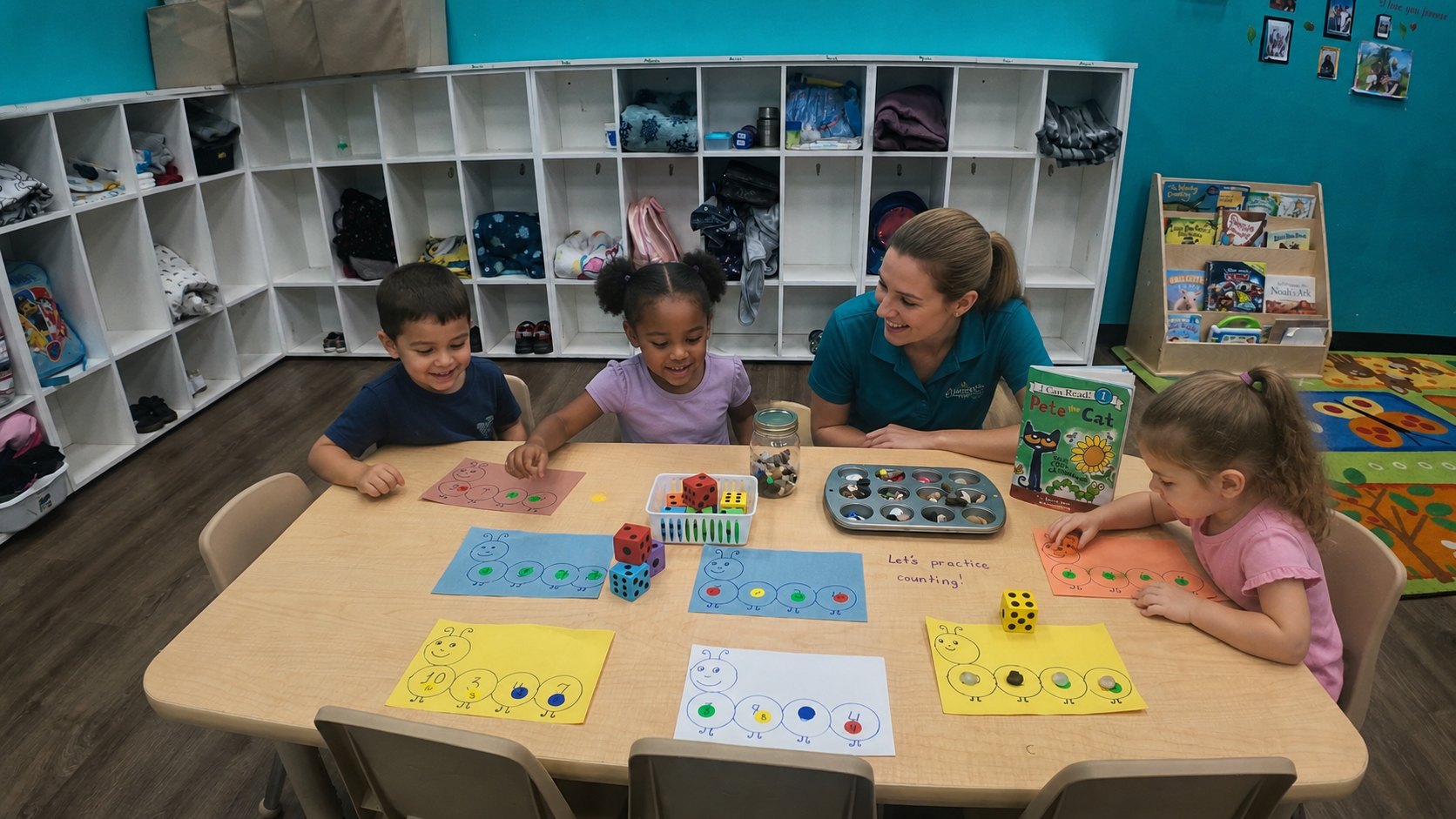
Learning that prepares children without rushing childhood.
In the Prancing Ponies room, purposeful early literacy, mathematics, science and school-readiness experiences grow naturally from play, conversation, movement, creativity and hands-on discovery.
Educators observe each child’s abilities and introduce the right level of challenge when the child is developmentally ready. The focus is progress, confidence and a lasting love of learning—not pressure.
Strong foundations, built through real experiences.
Children are introduced progressively to concepts that support communication, problem-solving, independence and a confident transition to Kindergarten.
Early literacy & phonics
Letters and sounds come alive through stories, songs, games, visual materials and educator-guided learning.
- Letter recognition
- Beginning sounds
- Vocabulary
- Story comprehension
Early mathematics
Manipulatives, blocks, number cards, games and everyday moments help children build meaningful number concepts.
- Counting
- Patterns
- Measurement
- Early operations
Writing & fine-motor skills
Daily drawing, cutting, playdough, puzzles, lacing and formation activities strengthen the small muscles children use for writing.
- Pencil control
- Name writing
- Letter formation
- Hand strength
Science & discovery
Children investigate nature, weather, materials and simple experiments while learning to observe, predict, compare and explain.
- Questioning
- Experimenting
- Problem-solving
- Critical thinking
Skills children practise throughout the year.
- RecognizeLetters, numbers, shapes, colours, patterns and familiar words.
- ConnectSounds, quantities, sequences, stories and ideas through play.
- PractiseCommunication, writing, problem-solving and group participation.
- PrepareConfidence, independence and positive learning habits for Kindergarten.
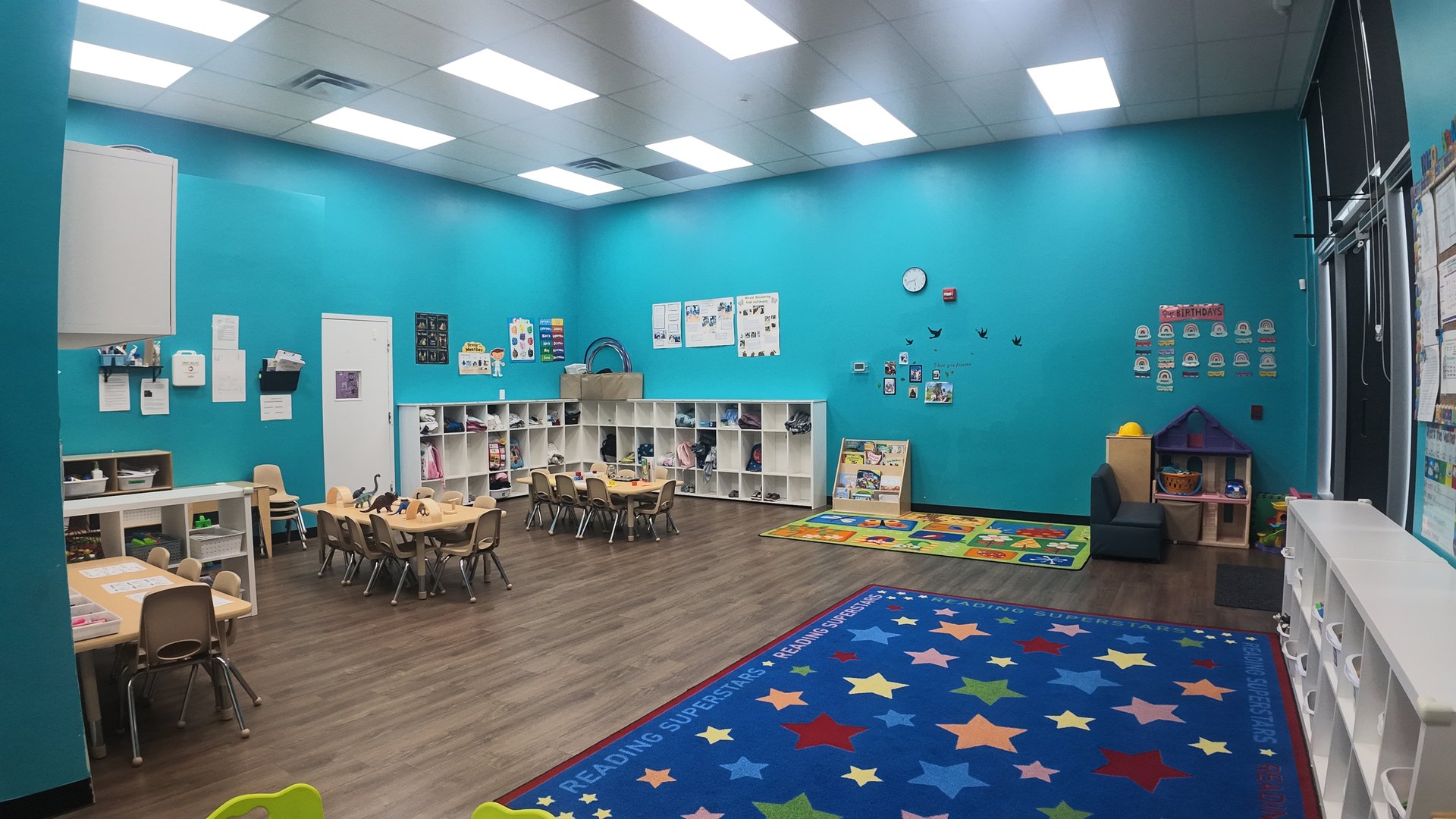
Academic learning does not replace childhood.
The enhanced program complements Flight: Alberta’s Early Learning and Care Framework and the play-based philosophy already at the heart of Curious Minds.
Educators intentionally connect children’s interests and everyday experiences with literacy, numeracy, science, communication and social-emotional learning.
- Free and dramatic play
- Outdoor learning
- Art and creativity
- Music and movement
- Sensory experiences
- Child-led projects
Ready for more than academics.
School readiness also means knowing how to participate, communicate, cooperate and care for yourself in a group setting.
- Listen attentively
- Follow multi-step directions
- Communicate needs and ideas
- Take turns and cooperate
- Solve age-appropriate problems
- Manage emotions with support
- Care for personal belongings
- Build confidence and independence
See what your child is learning.
Educators observe and document emerging skills throughout the year so families can understand what their child is learning and work together on the next stage of development.
After enrollment, parents receive the Full-Year Preschool Enhanced Learning Syllabus covering letters and phonics, numbers, early reading and writing, mathematics, science and discovery, fine-motor development, social-emotional learning and Kindergarten readiness.
Every child develops differently. Activities and expectations are adjusted to individual readiness and ability.
Questions families often ask.
What ages is the program for?
The Preschool Enhanced Learning Program is designed for children from 39 months to Kindergarten age in the Prancing Ponies room.
Is there an additional academic program fee?
Eligible families enrolled in the preschool program can participate without an additional preschool academic program fee.
Will children still have plenty of time to play?
Yes. Literacy, numeracy, science and school-readiness experiences complement free play, outdoor learning, creativity, movement and child-led exploration.
How will I know what my child is learning?
Families receive the full-year syllabus after enrollment, and educators document emerging skills and learning experiences throughout the year.
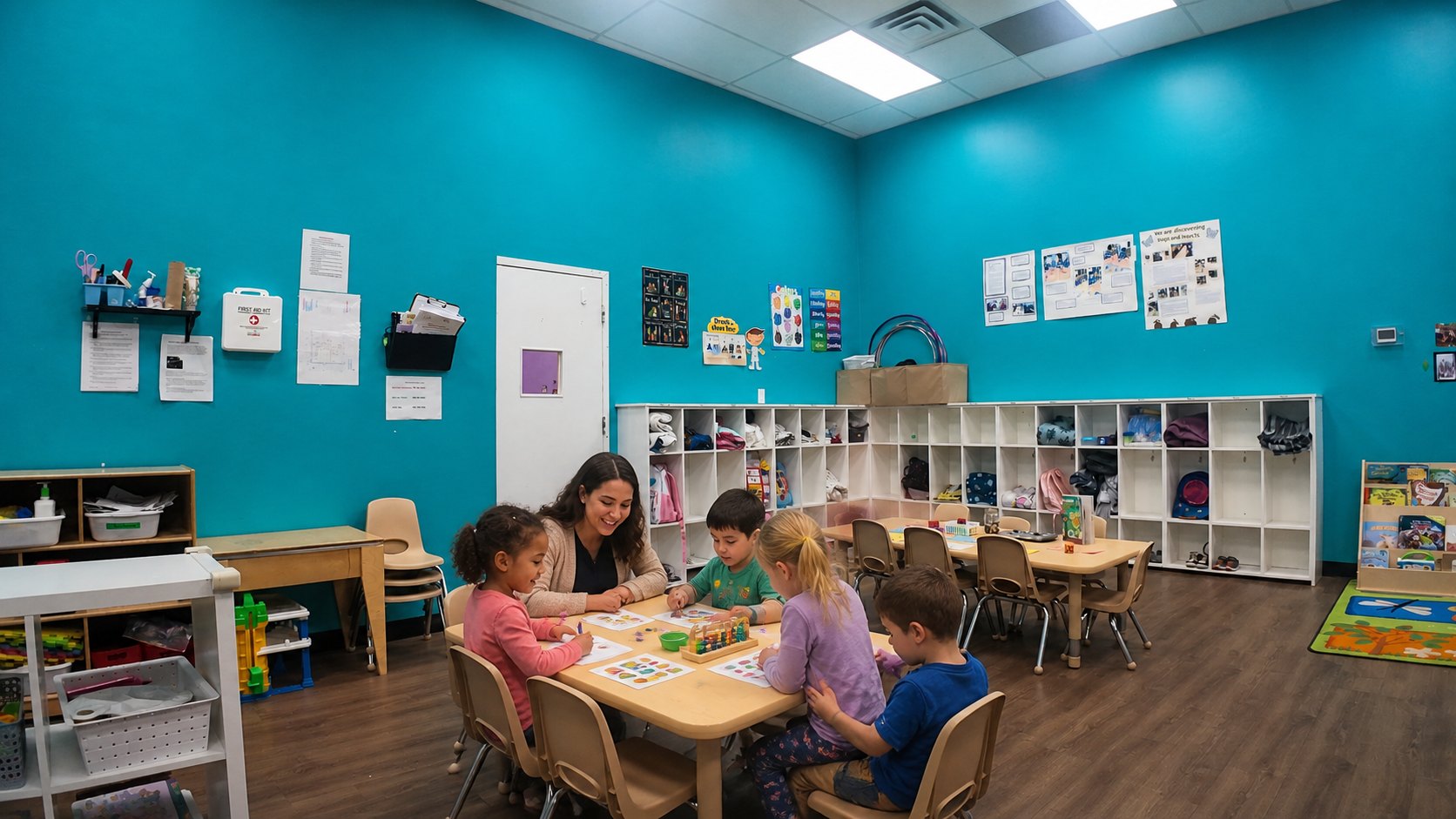
See the Prancing Ponies room in person.
Tour the classroom, meet an educator and ask how the enhanced learning program can support your child’s next stage.